




 12 minutes
 Share
ShareBitcoin Halving Countdown – Only 80,000 Blocks Left! What Happens Next?
The countdown to the next Bitcoin Halving has reached another major milestone, with approximately 80,000 blocks remaining until the highly anticipated event in 2028. Bitcoin Halving is one of the most important events in the Crypto ecosystem, reducing the number of newly created BTC and directly affecting Bitcoin's supply.
Historically, previous Halvings have attracted significant investor attention and have been followed by major changes in the Bitcoin Price. But will history repeat itself in 2028? When exactly will the next Halving happen, how will mining rewards change, and what should investors expect? Let's explore why the remaining 80,000 blocks matter and what the next Bitcoin Halving could mean for the Crypto market.
Only 80,000 Blocks Until Bitcoin Halving – What Does It Mean?
Approximately 80,000 blocks remain until the next Bitcoin Halving, scheduled to occur at block 1,050,000. This means Bitcoin is moving closer to another major change in how new BTC enters circulation.
But what exactly is a Bitcoin block?
A Bitcoin block is a collection of verified transactions added to the Blockchain. On average, a new block is created approximately every 10 minutes, although the actual time between blocks can vary.
Unlike traditional financial events that happen on a specific calendar date, Bitcoin Halving is triggered by block height. The network automatically reduces the mining subsidy after every 210,000 blocks, which takes roughly four years.
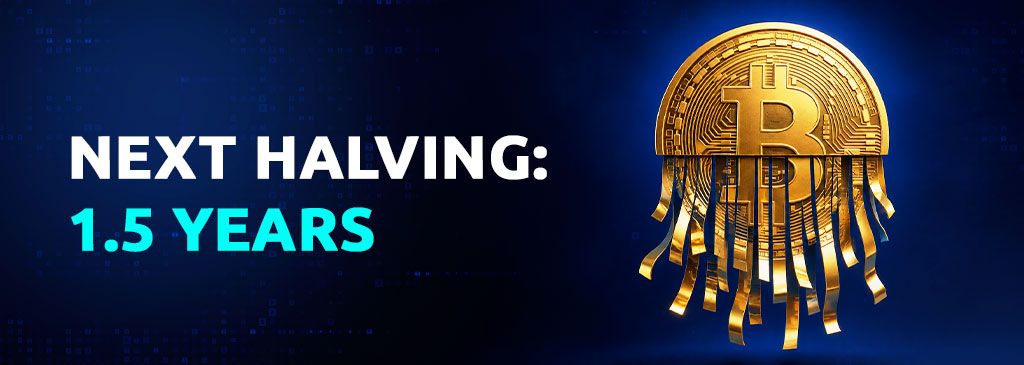
With around 80,000 blocks remaining, the next Halving is expected to happen in 2028, approximately a year and a half away from this milestone.
The countdown is important because Bitcoin's supply schedule is predictable. Investors, miners, and market participants can see when the next reduction in newly issued BTC will occur, even though the exact calendar date is not yet known.
What Is Bitcoin Halving and Why Does It Happen?
Bitcoin Halving is an automatic event that reduces the reward miners receive for adding new blocks to the Bitcoin Blockchain by 50%. It happens every 210,000 blocks, approximately once every four years, and is built directly into Bitcoin's protocol.
The main purpose of Halving is to control the creation of new BTC and maintain Bitcoin's limited supply. Unlike traditional currencies, which central banks can issue in greater quantities, Bitcoin has a maximum supply of 21 million BTC.
Every Halving slows down the rate at which new bitcoins enter circulation, making the remaining supply increasingly scarce.
Bitcoin's mining subsidy has changed significantly since the network launched:
- 2009: 50 BTC per block
- 2012 Halving: 25 BTC per block
- 2016 Halving: 12.5 BTC per block
- 2020 Halving: 6.25 BTC per block
- 2024 Halving: 3.125 BTC per block
- 2028 Halving: 1.5625 BTC per block
This predictable reduction in new supply is one of Bitcoin's defining characteristics.
Importantly, Halving does not remove existing Bitcoin from circulation. It only reduces the amount of new BTC created through mining.
As a result, Bitcoin becomes progressively harder to produce over time, while its maximum supply remains unchanged.
When Is the Next Bitcoin Halving?
The next Bitcoin Halving is expected to take place around April 2028, when the Bitcoin Blockchain reaches block 1,050,000. This will be Bitcoin's fifth Halving since the network launched in 2009.
However, the exact date is not fixed. Bitcoin Halving is determined by the number of blocks mined, rather than a calendar schedule.
Although Bitcoin is designed to produce a new block approximately every 10 minutes, individual blocks can take more or less time. As a result, the estimated Halving date may change as the network progresses.
Here are the key details of the upcoming event:
- Expected Date: April 2028
- Halving Block: 1,050,000
- Blocks Remaining at the Milestone: Approximately 80,000
- Current Block Subsidy: 3.125 BTC
- New Block Subsidy: 1.5625 BTC
- Reduction: 50%
No registration, voting, or manual action is required for the event to happen. The reduction is enforced automatically by Bitcoin's network rules.
For investors, this means the next major change in Bitcoin's supply schedule is already known, even if its exact timing and potential impact on the Bitcoin Price remain uncertain.
Bitcoin Mining Rewards Will Fall From 3.125 to 1.5625 BTC
One of the biggest changes during the 2028 Bitcoin Halving will be the reduction in mining rewards. Currently, miners receive a subsidy of 3.125 BTC for every successfully mined block. After the next Halving, this amount will decrease to 1.5625 BTC.
Since the Bitcoin network produces approximately 144 blocks per day, the change will significantly reduce the amount of new Bitcoin entering circulation.
Here's what the numbers look like:
- Before Halving: Approximately 450 new BTC per day.
- After Halving: Approximately 225 new BTC per day.
- Daily Reduction: Around 225 BTC.
- Annual Reduction: Approximately 82,125 BTC in newly issued supply.
However, it's important to understand that miners earn more than just the block subsidy. They also collect transaction fees paid by users sending Bitcoin across the network.
The Halving reduces only the newly created BTC portion of mining rewards, not the transaction fees.
For miners, this means earning fewer new bitcoins for producing a block. For investors, it means the amount of new BTC entering the market will decline.
This reduction in new supply is one of the main reasons Bitcoin Halving attracts so much attention from the Crypto market.
Why Bitcoin Halving Matters for BTC Supply
Bitcoin Halving matters because it makes the creation of new BTC progressively slower while keeping the maximum supply limited to 21 million coins. This predictable scarcity is one of the main characteristics that distinguishes Bitcoin from traditional currencies.
Currently, approximately 450 new BTC are created daily through mining. After the 2028 Halving, that number will fall to around 225 BTC per day, assuming the network continues producing blocks at its target average rate.
But why does this matter for the Bitcoin Price?
The answer comes down to supply and demand.
When fewer new bitcoins enter circulation, the amount of newly issued BTC potentially available for sale decreases. If investor demand remains stable or increases, this reduction in new supply could create upward pressure on the price.
For example:
- Demand Increases + New Supply Decreases: Potentially positive for Bitcoin Price.
- Demand Remains Stable + New Supply Decreases: Could support Bitcoin's scarcity narrative.
- Demand Decreases + New Supply Decreases: Bitcoin Price could still decline despite the Halving.
Importantly, the Halving does not reduce the existing supply of Bitcoin or guarantee that miners will sell fewer coins. Market prices depend on the buying and selling decisions of all participants, not only newly mined BTC.
The key takeaway is that Bitcoin Halving makes new BTC issuance more scarce, but whether that scarcity leads to a higher price depends on market demand.
What Happened to Bitcoin Price After Previous Halvings?
Historically, Bitcoin has experienced significant price increases in the years following its previous Halvings. However, the results have varied, and past performance does not guarantee that the same pattern will repeat after the 2028 event.
Bitcoin has already completed four Halvings, each reducing the mining subsidy by 50%.
Here is how the Bitcoin Price performed around previous Halving events:
| Halving | Date | Approx. BTC Price at Halving | Approx. Price One Year Later |
| First | November 28, 2012 | $12 | $1,000 |
| Second | July 9, 2016 | $650 | $2,500 |
| Third | May 11, 2020 | $8,600 | $57,000 |
| Fourth | April 20, 2024 | $64,000 | $85,000 |
Prices are rounded historical estimates and may vary slightly depending on the exchange and measurement time.
What Can We Learn From Previous Bitcoin Halvings?
The historical pattern shows that Bitcoin recorded substantial gains during the 12 months following each of its four Halvings.
However, the percentage increases have generally become smaller as Bitcoin's market capitalization and adoption have grown.
Several factors beyond Halving influenced these price movements, including:
- Growing Bitcoin Adoption: More individuals and institutions entering the Crypto market.
- Market Liquidity: Changes in the amount of capital available for investment.
- Institutional Demand: Increasing participation from investment funds and financial institutions.
- Macroeconomic Conditions: Interest rates, inflation, and broader financial market trends.
- Investor Expectations: Speculation and market sentiment surrounding each Halving cycle.
The 2024 Halving was particularly notable because spot Bitcoin ETFs had already launched in the United States, creating an additional source of institutional demand.
While history suggests that Halving can play an important role in Bitcoin's market cycles, the 2028 Bitcoin Halving does not guarantee another major BTC rally.
Will Bitcoin Price Increase After the 2028 Halving?
The 2028 Bitcoin Halving could create favorable conditions for the Bitcoin Price, but a price increase is not guaranteed. While the event will reduce new BTC issuance by 50%, Bitcoin's future performance will depend on how supply changes interact with investor demand and global financial conditions.
Several important factors could influence the Bitcoin Price after Halving:
- Bitcoin ETF Inflows: Growing demand from spot Bitcoin ETFs could increase buying pressure as fewer new bitcoins enter circulation.
- Institutional Adoption: Greater participation from investment funds, companies, and financial institutions could support long-term demand.
- Interest Rates: Lower interest rates may encourage investors to allocate more capital toward riskier assets, including Bitcoin.
- Global Liquidity: More available capital in financial markets could create a more supportive environment for Crypto investments.
- Market Sentiment: Positive expectations surrounding Halving could attract new investors, although excessive speculation can also increase volatility.
- Selling Pressure: Existing Bitcoin holders and miners may decide to sell, potentially offsetting the effects of reduced new supply.
Another important consideration is that Bitcoin Halving is a predictable event. Because investors already know when the mining subsidy will decrease, some of its expected impact may be reflected in the Bitcoin Price before the event happens.
This means Bitcoin could rise before Halving, experience volatility around the event, or move in a completely different direction depending on broader market conditions.
The main lesson is simple: Halving reduces Bitcoin's new supply, but demand ultimately determines whether the price rises or falls.
What Happens to Bitcoin Miners After Halving?
Bitcoin miners will face a major change after the 2028 Halving because their block subsidy will decrease from 3.125 BTC to 1.5625 BTC. This means miners will receive 50% fewer newly created bitcoins for each block they successfully mine.
However, their operating expenses, including electricity, equipment, cooling, and maintenance, will not automatically decrease.
This could create additional financial pressure, particularly for mining companies with high operating costs.
Several factors will determine how miners adapt:
- Electricity Costs: Miners with access to cheaper electricity may remain more profitable than competitors paying higher energy prices.
- Mining Equipment: More efficient mining machines can help reduce the electricity required to produce the same amount of computing power.
- Bitcoin Price: A higher BTC Price could partially or fully offset the reduction in mining subsidies.
- Mining Difficulty: If some miners stop operating, Bitcoin's difficulty adjustment mechanism can eventually make mining easier for those who remain.
- Transaction Fees: Fees paid by Bitcoin users will become increasingly important as block subsidies continue declining.
Could Bitcoin Mining Become Unprofitable?
For some miners, yes. If the Bitcoin Price does not rise enough to compensate for lower subsidies, less efficient mining operations may struggle to remain profitable.
However, this does not mean the Bitcoin network will automatically stop functioning.
Bitcoin adjusts its mining difficulty approximately every 2,016 blocks to maintain an average block production time of around 10 minutes.
If enough miners leave the network, this adjustment can help the remaining miners continue producing blocks.
The 2028 Halving will therefore be important not only for Bitcoin investors but also for the economics and competitiveness of the entire Bitcoin mining industry.
Why Investors Are Already Watching the 2028 Bitcoin Halving
Although the next Bitcoin Halving is expected in 2028, investors are already paying attention to the approaching event. With approximately 80,000 blocks remaining at this countdown milestone, the reduction in Bitcoin's mining subsidy is becoming a more prominent topic across the Crypto market.
One reason for this early interest is that Bitcoin Halving follows a predictable schedule. Unlike unexpected economic announcements or geopolitical events, investors can estimate when the next reduction in new BTC supply will occur.
This allows market participants to prepare well in advance.
Several factors explain why the 2028 Halving is already attracting attention:
- Historical Performance: Previous Halvings were followed by significant Bitcoin Price increases, encouraging investors to study earlier market cycles.
- Reduced Future Supply: The number of newly created bitcoins will decline from approximately 450 to 225 BTC per day.
- Institutional Interest: Investors are watching whether demand from Bitcoin ETFs and other institutional participants will continue growing.
- Market Expectations: Some traders may begin adjusting their positions before the Halving rather than waiting for the event itself.
- Long-Term Scarcity: Each Halving brings Bitcoin closer to its maximum supply of 21 million BTC.
However, increased attention does not necessarily mean an immediate price rally.
Because the event is widely anticipated, investors may begin pricing in its potential effects months or even years before it happens.
For long-term Bitcoin investors, the 80,000-block milestone is another reminder that Bitcoin's supply continues following its programmed schedule, regardless of short-term market conditions.
Should You Buy Bitcoin Before the Next Halving?
Buying Bitcoin before the 2028 Halving could be an opportunity for long-term investors, but the event alone is not a reason to expect guaranteed profits. Although previous Halvings were followed by major BTC price increases, Bitcoin remains a volatile asset influenced by many factors beyond its supply schedule.
For investors considering Buying Bitcoin before the next Halving, several factors are worth evaluating:
- Current Bitcoin Price: Consider the market valuation rather than assuming Bitcoin is automatically undervalued before Halving.
- Investment Horizon: Bitcoin can experience significant short-term volatility, even during longer periods of price growth.
- Risk Tolerance: Only invest an amount you can afford to expose to substantial market fluctuations.
- Market Conditions: Interest rates, inflation, institutional demand, and global liquidity can influence Bitcoin's direction.
- Investment Strategy: Some investors prefer gradual purchases through dollar-cost averaging instead of investing their entire budget at once.
Is It Better to Buy Bitcoin Before or After Halving?
There is no universally correct answer.
Historically, Bitcoin has experienced both price increases and corrections around Halving cycles. Buying before the event does not guarantee a better entry price, just as waiting until afterward does not guarantee a cheaper opportunity.
For beginners, understanding Bitcoin Price History, market volatility, and the risks of Crypto investing is more important than trying to predict the exact moment of the next rally.
The key takeaway is that Bitcoin Halving can influence long-term supply dynamics, but a responsible investment decision should consider much more than the countdown alone.
How to Track the Bitcoin Halving Countdown
You can track the next Bitcoin Halving by checking the current Bitcoin block height and comparing it with block 1,050,000, the block at which the 2028 Halving will occur.
Unlike a traditional countdown based on a fixed date, the Bitcoin Halving countdown measures how many blocks remain until the network automatically reduces mining subsidies.
Several online tools allow users to monitor Bitcoin's progress:
- Mempool.space: A Bitcoin block explorer that displays the latest blocks, transactions, network activity, and current block height.
- Blockchain.com Explorer: Provides information about Bitcoin blocks, transactions, and network statistics.
- Bitcoin Halving Countdown Websites: Dedicated countdown tools estimate the remaining blocks and expected Halving date based on Bitcoin's block production rate.
How to Calculate the Remaining Blocks
The calculation is simple:
1,050,000 − Current Bitcoin Block Height = Blocks Remaining Until Halving
For example, if the Bitcoin network reaches block 970,000, exactly 80,000 blocks will remain until the next Halving.
Since Bitcoin produces a new block approximately every 10 minutes on average, the estimated calendar date changes slightly depending on actual block production times.
Remember: The next Bitcoin Halving is guaranteed by the network's existing consensus rules to occur at block 1,050,000, provided those rules remain unchanged. However, its exact calendar date is only an estimate.
For investors who want to follow the countdown, monitoring the current block height is more reliable than relying on a fixed date.
Summary – 80,000 Blocks Until Bitcoin's Next Big Supply Change
The next Bitcoin Halving is approaching, with approximately 80,000 blocks remaining at this milestone before the event expected in April 2028. When the Bitcoin Blockchain reaches block 1,050,000, the mining subsidy will automatically decrease from 3.125 BTC to 1.5625 BTC, reducing the amount of newly created Bitcoin by 50%.
This change will lower daily BTC issuance from approximately 450 to 225 BTC, reinforcing Bitcoin's predictable supply schedule and its maximum limit of 21 million coins.
Historically, previous Halvings have been followed by significant increases in the Bitcoin Price, but that does not guarantee another rally in 2028. Institutional demand, Bitcoin ETF inflows, interest rates, global liquidity, and investor sentiment will all influence how the market responds.
For miners, the event will bring lower block subsidies and potentially greater pressure to improve efficiency. For investors, it provides another opportunity to understand how Bitcoin's supply works and why scarcity remains an important part of its long-term value proposition.
The countdown is already underway, but the biggest question remains unanswered: will the 2028 Bitcoin Halving trigger another major BTC rally, or will this cycle be different?